Business Administration - Energy and Water Management
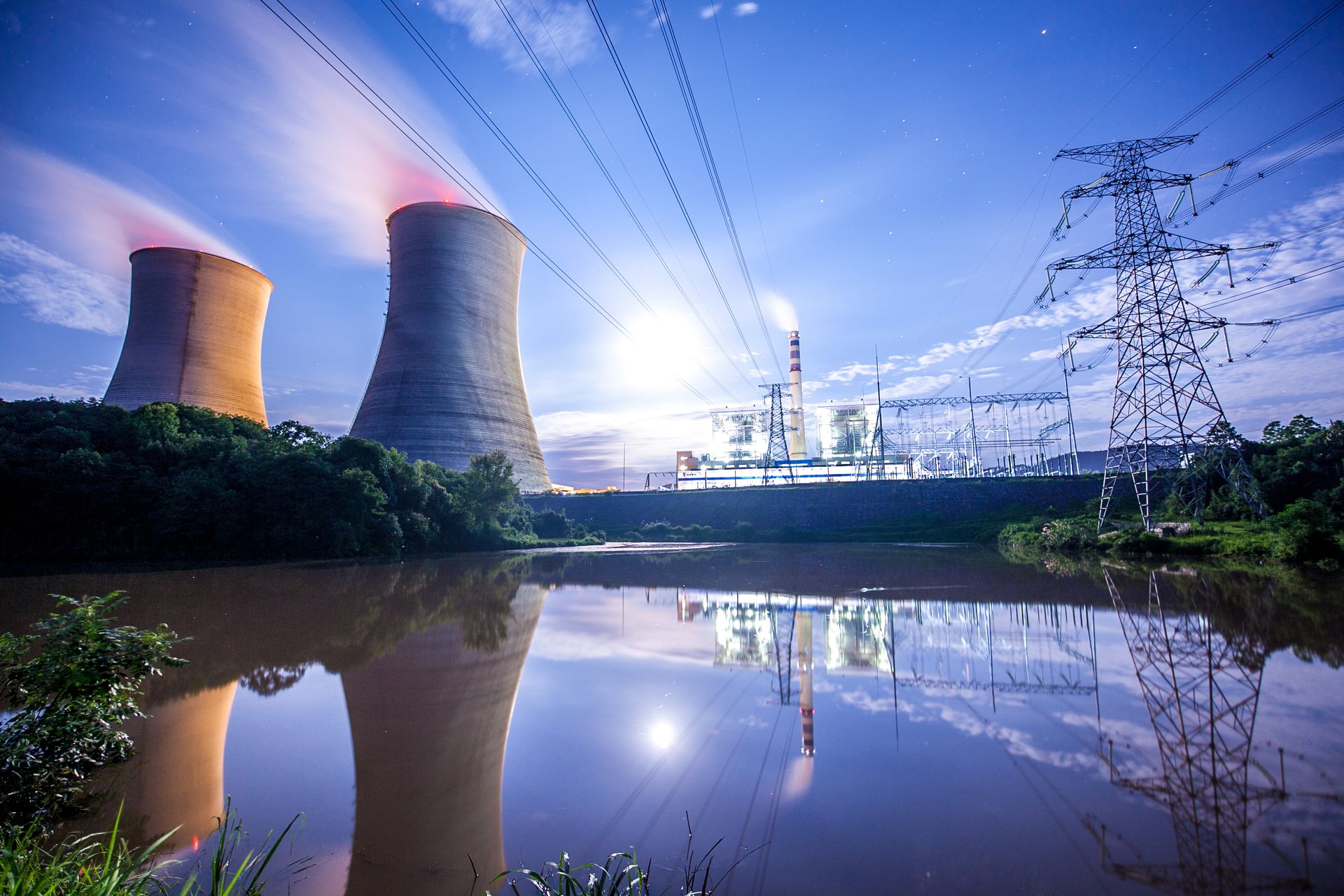
Shaping sustainable energy and water supplies
Energy and water are indispensable - for households, local authorities and companies. But how can both resources be used in a sustainable and environmentally friendly way?
The part-time Master's degree programme in Business Administration - Energy and Water Management prepares students for the demands of this economic sector. If you want to solve the challenges of the energy and water industry and help shape the future of energy and water supply, this is the right degree programme for you.

What you can expect
- Part-time and flexible study programme
- Qualified training for the energy and water industry
- Practical degree programme on a modern campus
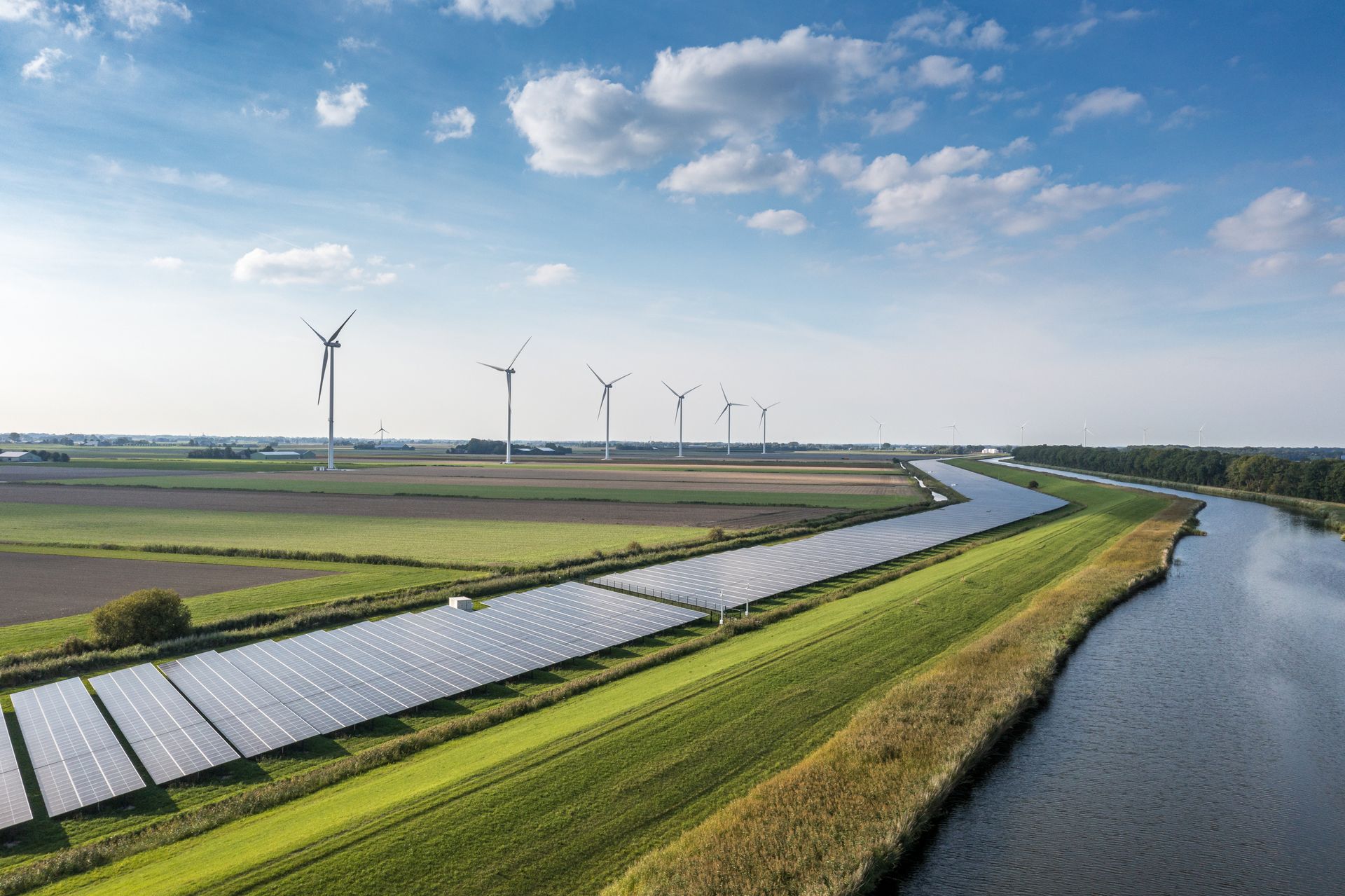
The part-time Master's degree programme in Business Administration offers an extremely innovative specialisation with a future in energy and water management. Students on the programme deal with sustainability and risk management in the energy and water industry, project planning for renewable energy systems and water and wastewater management.
The professors and lecturers are experts in their field, are connected to the economy and can incorporate this experience into a practice-oriented degree programme.
Your study content
- Strategy management, economics
- Risk management in the energy industry
- Examination regulations, module handbook & study plan
The interdisciplinary content is what makes this degree programme so special! Each semester, one or two compulsory business modules and one module from the specialisation are offered. Economics, research methodology and quantitative analysis are placed in the first semesters.
The programme includes:
- Business administration modules (such as strategic management or project and process controlling, which prepare you for working as a manager)
- Specialisation modules deal with water and wastewater management or risk management in the energy industry
Master's students have the opportunity to take part in excursions and activities with players in the energy and water sector.
Your study program
The detailed study plan (Studienverlaufsplan) for this degree programme is only available in German.
You can access the full semester overview on the German programme page.
What you need to bring along
The prerequisite for admission to the Master's degree programme is the completion of at least seven semesters of a professionally qualifying degree in an economics or industrial engineering degree programme. At least 210 credits must have been earned, of which You will also need to bring proof of proficiency in the German language equivalent to reference level C1 or higher as defined by the Common European Framework of Reference for Languages (CEFR). All degree programmes are taught in German.
|
Application process
The application phase for the admission restricted Master’s degree programmes for the coming winter semester begins on 01. May 2025 and ends on 01. August 2025.
The application deadlines for this degree programme can also be found on our website (note: the website is only available in German).
If you have any questions regarding your application, please contact our application support team at bewerbung@hs-ruhrwest.de.